
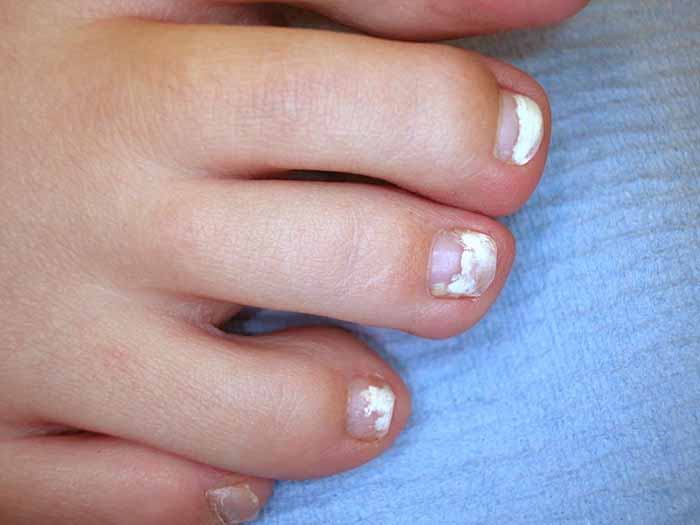
You look down at your feet and notice something unusual: a white spot, a pale patch, or an entire toenail that looks lighter than it used to. It can be alarming. Many people immediately assume it is a calcium deficiency. That is one of the most common myths in nail care. In reality, white toenails usually have nothing to do with calcium. Understanding the real causes helps you respond correctly and protect your feet.
Why Toenails Suddenly Turn White?
White discoloration on toenails can appear in several forms. It may be a small white spot, a chalky patch on the surface, a streak, or a complete whitening of the nail. The cause depends on the pattern and the accompanying symptoms.
Minor trauma is the most common reason for small white spots. Toenails take a lot of pressure from shoes, walking, running, and stubbing. When the nail matrix—the growth area under the cuticle—is bumped or pressed repeatedly, it can produce cells that do not flatten and harden normally. The result is a white spot. Because toenails grow slowly, the spot may appear weeks after the injury. By then, you may not remember what caused it.
Fungal infections are another major cause. A condition called white superficial onychomycosis creates chalky white patches on the surface of the toenail. Unlike a trauma spot, these patches can often be scraped away. The nail may also become thick, brittle, or crumbly over time. If the white area spreads or the nail changes texture, fungus is a strong possibility.
Psoriasis can affect toenails and cause white, pitted, or crumbling areas. It often comes with other skin symptoms, such as red, scaly patches.
Moisture and shoe pressure can also contribute. Damp socks, tight shoes, and prolonged sweating soften the nail and make it more vulnerable to damage and infection.
Systemic conditions and nutritional deficiencies are less common but possible. Low iron, zinc, or protein can affect nail growth. However, these usually affect multiple nails and come with other symptoms. A true calcium deficiency does not typically cause white spots on nails.
Does Calcium Deficiency Cause White Spots?
No. This is a persistent myth. Calcium is important for bones and teeth, but it does not play a direct role in the white spots most people see on their nails. The white spots are usually caused by minor trauma to the nail matrix. They grow out on their own. Taking calcium supplements will not make them disappear faster.
-1024x1024.jpg)
If you have widespread white nails, a doctor may check for other deficiencies or health conditions. But for the occasional small white spot, calcium is not the culprit.
How to Create Perfect Toenails?
Healthy, well-groomed toenails do not happen by accident. They require consistent care.
Keep feet clean and dry. Wash your feet daily with mild soap. Dry them thoroughly, especially between the toes. Moisture encourages fungal growth.
Trim nails straight across. Always cut toenails straight across, never rounded at the corners. Rounded corners increase the risk of ingrown nails. Use sharp, clean toenail clippers. Leave a small amount of white at the tip. File edges smooth in one direction.
Push back cuticles gently. Do not cut living cuticles. They protect the nail matrix from infection. Push them back after a shower, when they are soft. Only trim loose, dead skin if necessary.
Moisturise daily. Feet have few oil glands, so they dry out easily. Apply a rich foot cream or cuticle oil to the nails and surrounding skin. This keeps the nail plate flexible and reduces cracking.
Wear proper footwear. Shoes that are too tight squeeze the toes and cause repeated pressure on the nails. Choose shoes with a wide toe box. Rotate your shoes so they dry completely between wears. Change socks daily, and choose moisture-wicking materials.
Inspect your nails regularly. Look for changes in colour, thickness, or shape. Early detection makes treatment easier.
Do Manicure Habits Cause White Nails?
Yes, certain nail habits can contribute to white discoloration and other nail problems. This applies to both fingernails and toenails.
Overuse of polish can stain or dry out the nail plate. Dark colours are the worst offenders. Without a base coat, pigments can seep into the nail and cause yellow or white patches.
Gel and acrylic enhancements can damage the nail if applied or removed incorrectly. Aggressive filing thins the nail plate. Peeling off gel or acrylic strips layers off the natural nail. This leaves the nail thin, weak, and prone to discoloration.
Allergic reactions to acrylates in gel polish can cause redness, swelling, itching, and nail changes. In some cases, the nail may lift or become discoloured.
Moisture trapped under enhancements can lead to bacterial or fungal growth. This often shows up as a green or white discoloration. If you notice a white or green spot under a gel or acrylic nail, remove the enhancement and let the nail dry.
Cuticle cutting damages the protective seal around the nail. This increases the risk of infection and irregular growth.

How to Reduce or Avoid Nail Damage from Manicures?
You do not have to give up manicures. You just need to treat your nails with care.
Always use a base coat. It protects the nail from staining and helps polish adhere.
Keep product off the skin. Gel or polish on the cuticle or sidewalls lifts and can cause irritation. Clean up before curing or drying.
Use thin layers. Thick layers cure unevenly and peel faster.
Do not over-file or over-buff. Gentle passes only. Over-buffing thins the nail plate.
Never peel off gel or acrylic. Always remove properly with acetone or by filing, depending on the product.
Take breaks between enhancements. Give your natural nails a few days of bare, oiled rest every month. This allows them to rehydrate and recover.
Choose quality products. Cheap polishes and gels may contain harsh chemicals or inconsistent formulas. Buy from reputable brands.
Do a patch test. If you are trying a new product, test it on a small area first. This is especially important if you have sensitive skin or a history of allergies.
Keep tools clean. Disinfect metal tools. Use disposable files, buffers, and sanding bands. Do not share tools.
See a professional for problem nails. If you have a fungal infection, an ingrown nail, or persistent discoloration, see a doctor or podiatrist. Do not try to cover it up with polish.
When to See a Doctor
Most white spots are harmless and grow out on their own. But you should seek medical advice if:
- The white area spreads or covers the entire nail.
- The nail becomes thick, crumbly, or painful.
- You notice pus, redness, swelling, or a bad odour.
- You have diabetes or poor circulation.
- The discoloration does not grow out after several months.
The Bottom Line
Toenails can turn white for many reasons. Minor trauma and fungal infections are the most common. Calcium deficiency is not one of them. To keep your toenails healthy, trim them straight, keep them clean and dry, moisturise daily, and wear properly fitted shoes. If you get manicures, protect your natural nails with a base coat, gentle filing, proper removal, and regular breaks. Your nails are a reflection of your overall care. Treat them gently, and they will stay strong, clear, and healthy.
Read also: The Complete Guide to Pearl Nails: How to Achieve That Lustrous, Iridescent Shine