
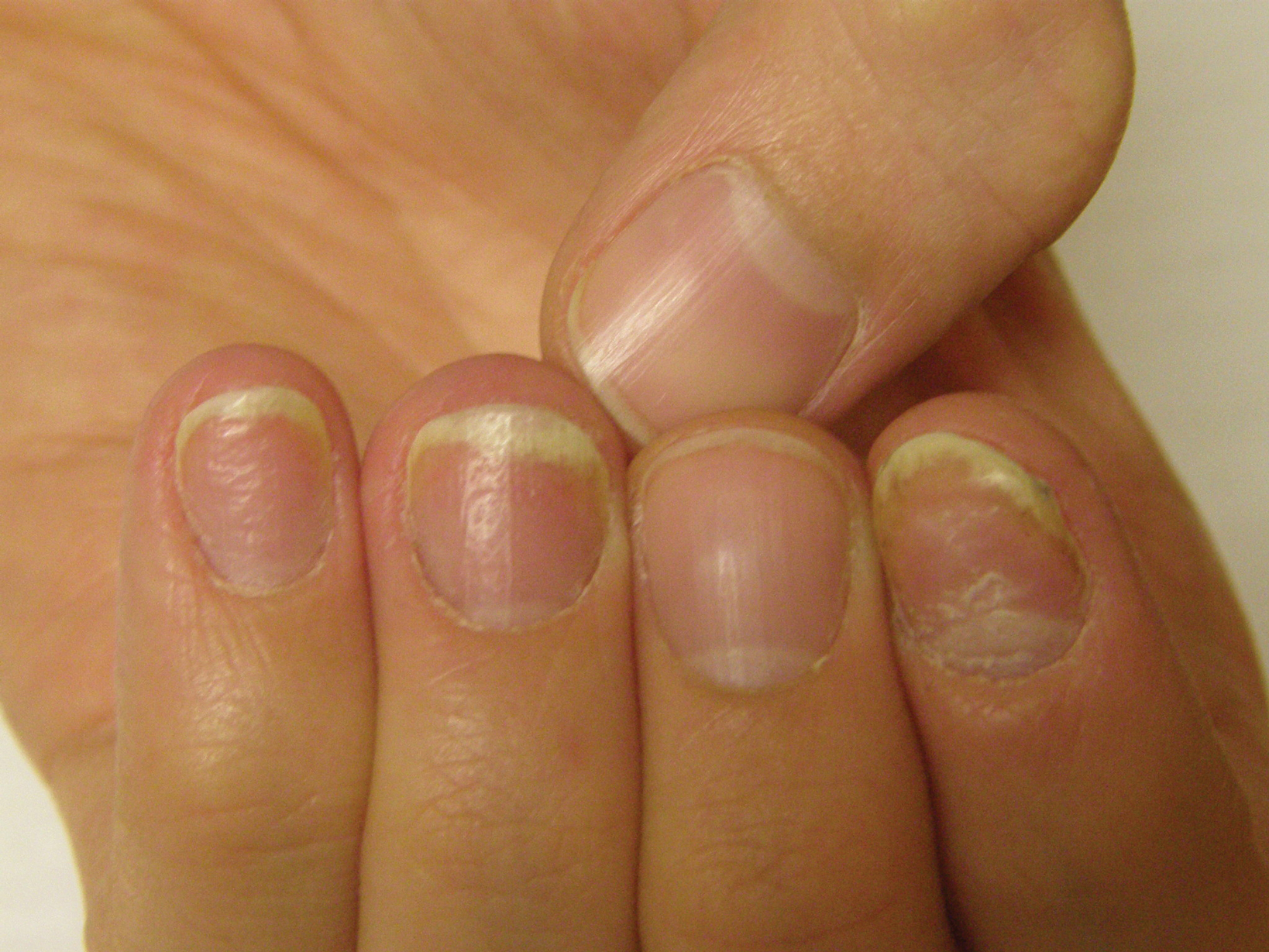
Have you ever removed your nail polish only to find an unpleasant yellow tint underneath? This common issue can be frustrating, especially if you take pride in keeping your nails looking neat. Understanding why this happens and how to address it can help you maintain healthy, clear nails. Here’s everything you need to know about yellow nails, from causes to solutions.
Why Do Nails Turn Yellow After Polish?
The primary culprit behind yellowing nails is the pigment in nail polishes, especially darker shades like reds, blues, and purples. These colors contain strong dyes that can seep into the top layers of your nail plates. When you wear polish for several days without a break, these pigments have more time to penetrate and stain your nails.
Additionally, many nail polishes contain chemicals such as formaldehyde resin, toluene, and dibutyl phthalate. These ingredients can react with the keratin in your nails, causing discoloration over time. The problem worsens if you frequently skip applying a base coat, as there’s no protective barrier between the pigment and your nail.
How to Prevent Yellowing from Nail Polish?
Prevention is always better than cure. Here are some simple steps to keep your nails from turning yellow:
1. Always Use a Base Coat: A good quality base coat acts as a shield, preventing pigments from staining your nails. Look for base coats specifically designed to prevent discoloration.
2. Limit Wear Time: Avoid wearing the same polish for more than a week. Giving your nails a few days between manicures allows them to breathe and recover.
3. Choose Quality Polishes: Cheaper polishes often contain higher levels of staining pigments. Investing in reputable brands can reduce the risk of yellowing.
4. Stay Hydrated: Dry nails are more porous and prone to absorbing pigments. Keep your nails and cuticles moisturized with oil or cream.
How to Remove Yellow Stains from Nails?
If your nails have already turned yellow, don’t worry—there are several effective ways to restore their natural appearance:
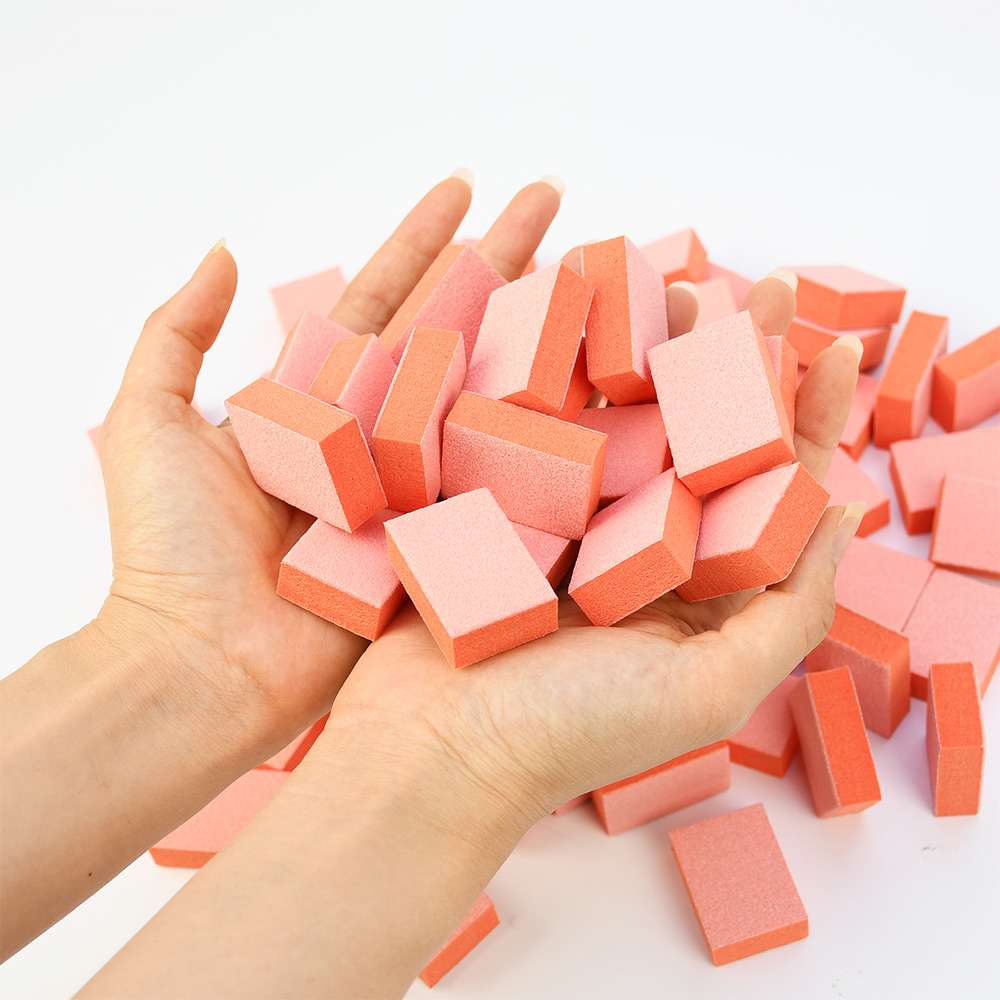
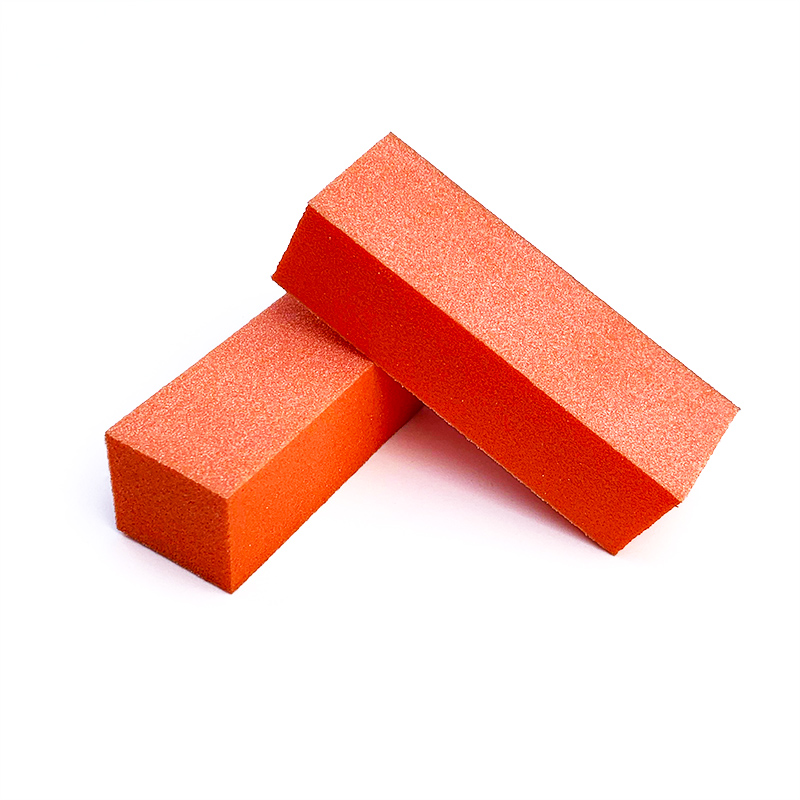
- Gentle Buffing: Use a fine-grit buffing block to lightly buff the surface of your nails. This removes the stained top layer, but be careful not to overdo it, as excessive buffing can thin your nails.
- Lemon Juice Soak: Lemon juice has natural bleaching properties. Mix fresh lemon juice with warm water and soak your nails for 10–15 minutes daily until the stains fade.
- Baking Soda Paste: Create a paste using baking soda and water. Gently scrub your nails with a soft toothbrush, then rinse thoroughly. Baking soda helps lift stains without damaging the nail.
- Hydrogen Peroxide: Dilute hydrogen peroxide with water (1:3 ratio) and soak your nails for a few minutes. This can effectively lighten discoloration, but use it sparingly to avoid dryness.
- Nail Whitening Products: There are over-the-counter nail whitening pens and treatments designed specifically for this purpose. They are convenient and often contain gentle bleaching agents.
Other Causes of Yellow Nails
While nail polish is a common reason, yellow nails can also result from other factors. Understanding these can help you address the root cause:
1. Fungal Infections: Yellow, thick, or brittle nails may indicate a fungal infection. This requires medical treatment, so consult a dermatologist if you suspect this.
2. Smoking: Nicotine and tar from cigarettes can stain nails over time, much like they stain fingers and teeth.
3. Health Conditions: In rare cases, yellow nails can signal underlying health issues, such as thyroid problems, diabetes, or respiratory diseases. A condition called “yellow nail syndrome” is associated with lymphedema and respiratory issues.
4. Certain Medications: Some antibiotics and chemotherapy drugs can cause nail discoloration as a side effect.
5. Aging: As we age, nails can naturally yellow and become more brittle due to reduced cell turnover and increased exposure to environmental factors.
Conclusion
Yellow nails are often a cosmetic nuisance rather than a serious health concern, especially when caused by nail polish. By using a base coat, giving your nails breaks from polish, and trying simple home remedies, you can keep your nails looking clear and healthy. However, if discoloration persists or is accompanied by other symptoms, it’s wise to consult a healthcare professional to rule out underlying issues. With proper care, you can enjoy beautiful nails without the yellow tinge.
Read also: Nail growth and care: a comprehensive guide