
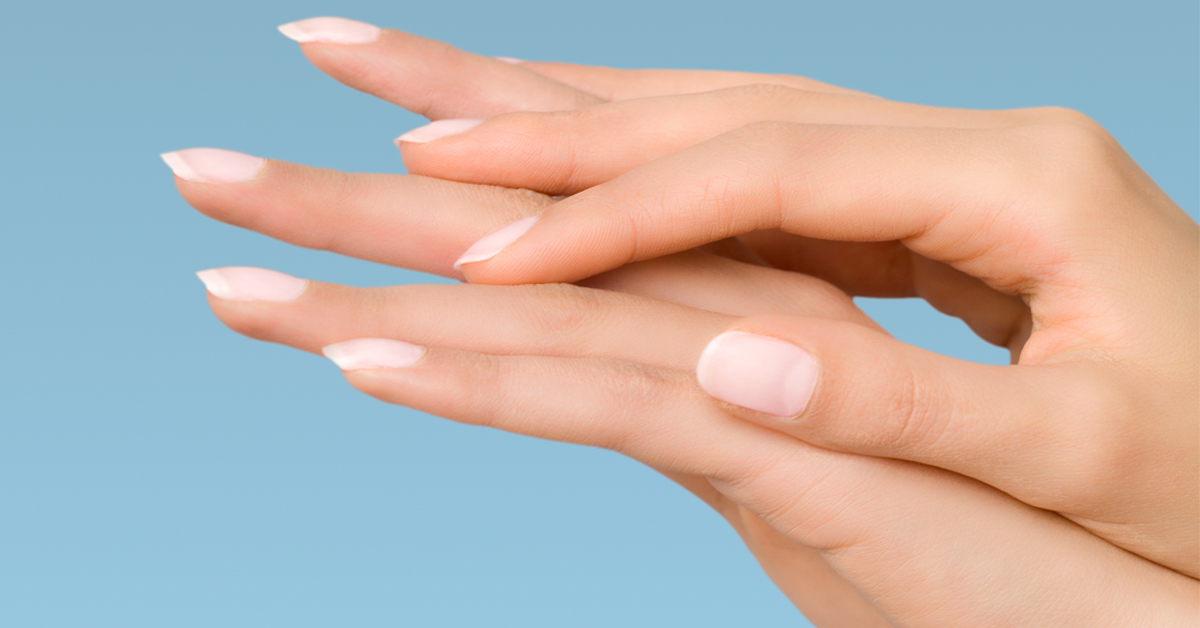
Look at your fingertips. The neat, semi-transparent shields we call nails are so much more than just tools for scratching or a canvas for polish. They are a dynamic part of our body, growing, changing, and telling a silent story of our overall health. The journey of a nail, from its hidden origins to the free edge we occasionally trim, is a fascinating process influenced by a myriad of factors.
The Blueprint of a Nail: Understanding the Structure
To understand nail growth, we must first understand its architecture. A nail is not a single piece but a complex structure made chiefly of keratin, a tough protective protein also found in our skin and hair.
- The Matrix: This is the engine room, the hidden root of the nail located beneath the skin at the base (the lunula, or the pale “half-moon,” is the visible part of the matrix). The matrix produces keratin cells, which multiply, harden, and are pushed forward. Any damage to the matrix can lead to permanent nail deformity.
- The Nail Plate: This is the nail itself—the hard, visible part. It is composed of layers of dead, compacted keratin cells. Its pinkish colour comes from the blood vessels underneath.
- The Nail Bed: This is the skin beneath the nail plate. It provides a smooth surface for the nail plate to glide over as it grows.
- The Cuticle: This thin layer of tissue protects the matrix from bacteria and dirt, acting as a crucial seal.
The Pace of Growth: What Influences Your Nails?
On average, fingernails grow about 3.5 millimeters per month, meaning it takes roughly six months to fully replace a nail. Toenails are slower, growing about half that speed. But this pace isn’t set in stone. Several factors play a role:
- Age: Growth is fastest in childhood and young adulthood, slowing down significantly with age.
- Genetics: Your DNA is a primary dictator of your natural growth speed.
- Hormones: Pregnant women often experience a growth spurt due to hormonal changes, while growth can slow during other phases like lactation.
- Nutrition: Your nails are a direct reflection of your diet. Deficiencies in key vitamins and minerals can stunt growth and weaken the nail plate.
- Health and Season: Illness, fever, and certain medications can temporarily halt growth. Nails also tend to grow slightly faster in summer than in winter.
- Trauma: Biting your nails or frequent typing can actually stimulate blood circulation to the matrix, potentially speeding up growth in those specific fingers.
Can You Truly Speed Up Nail Growth?
While you can’t change your genetics or age, you can optimize the environment for your nails to grow at their maximum healthy potential. The goal isn’t just length, but strength and resilience.
1. Fuel from Within: A balanced diet is paramount. Ensure adequate intake of:
- Protein: The building block of keratin. Include lean meats, eggs, beans, and nuts.
- Biotin (Vitamin B7): Found in eggs, almonds, and sweet potatoes, it’s well-known for strengthening keratin infrastructure.
- Iron, Zinc, and Calcium: Deficiencies in these can lead to brittle nails. Leafy greens, red meat, and dairy are excellent sources.
- Stay Hydrated: Dehydration makes nails brittle. Drinking enough water is a simple yet powerful step.
2. Stimulate Circulation: Good blood flow delivers nutrients to the matrix. Massaging your fingertips and cuticles for a few minutes daily can help.
Daily Nail Care: A Routine for Health
Beyond diet, how you treat your nails daily makes all the difference.
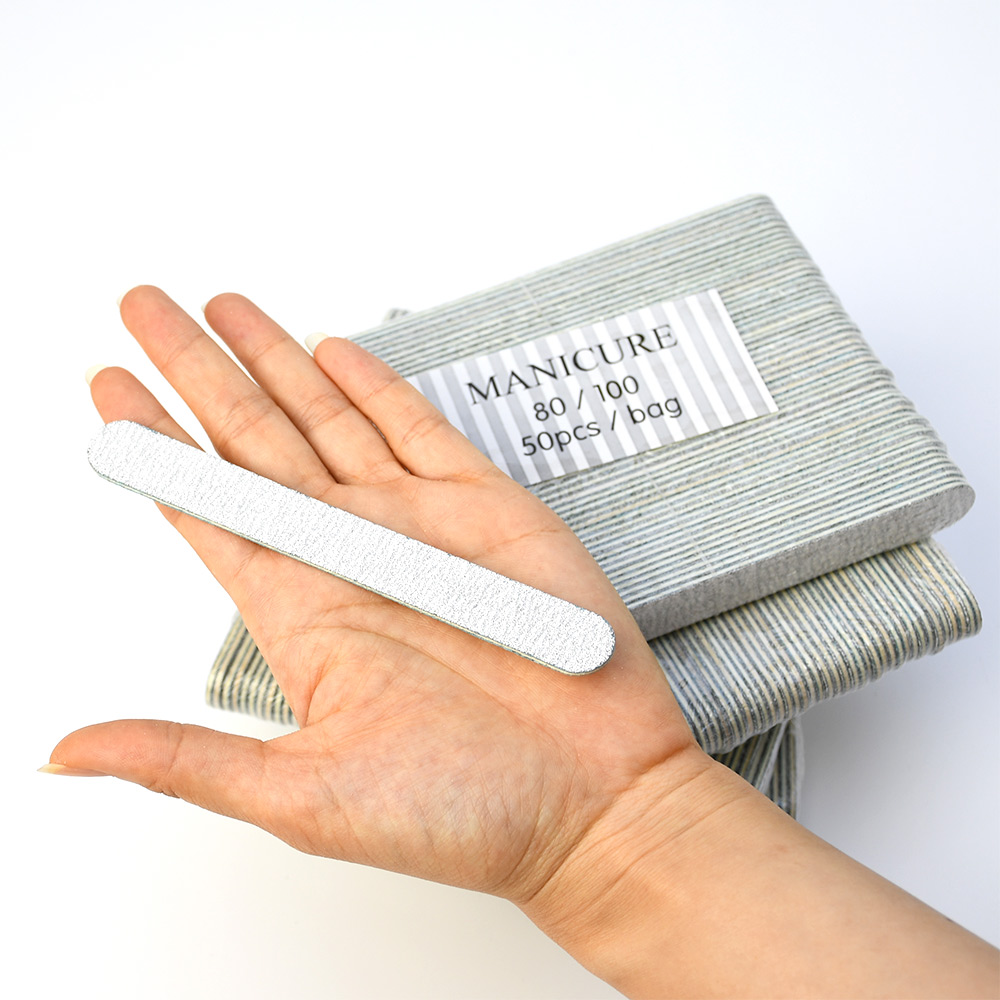
- Gentle Grooming: File nails in one direction with a fine-grit nail file instead of sawing back and forth, which can cause splits. Avoid cutting cuticles; instead, gently push them back after a shower when they are soft.
- Moisturize Diligently: Just like your skin, nails and cuticles need moisture. Rub a cream or oil (like jojoba or vitamin E oil) into your cuticles and nails daily.
- Protect Your Hands: Wear gloves while washing dishes or cleaning. Prolonged exposure to water and harsh chemicals weakens nails, making them soft and prone to breaking.
- Choose Nail Products Wisely: Avoid nail polishes with harsh chemicals like formaldehyde. Use an acetone-free remover and give your nails a break from polish occasionally to let them breathe.
- Break the Habit: Nail biting and picking are detrimental, introducing bacteria and causing physical damage to the nail and surrounding skin.
In conclusion, your nails are a barometer of your inner health. Their growth is a complex dance of biology, influenced by what you eat, how you live, and your genetic code. By understanding their structure and providing consistent, gentle care, you can support their natural journey, ensuring your nails are not only long but also strong and healthy—a true sign of vitality from the tips of your fingers.